



Primary Times - the definitive what’s on and where to go family guide of activities and events for children of primary school age. Things to do with your kids during the school holidays including arts and craft activities, music and theatre for children, parties, competitions, days out, and family attractions along with term time drama schools, dance classes, after school clubs and sports activities. Things to do at a place near you!


Inside the Dulwich College Archive: stories of Edward Alleyn and Ernest Shackleton
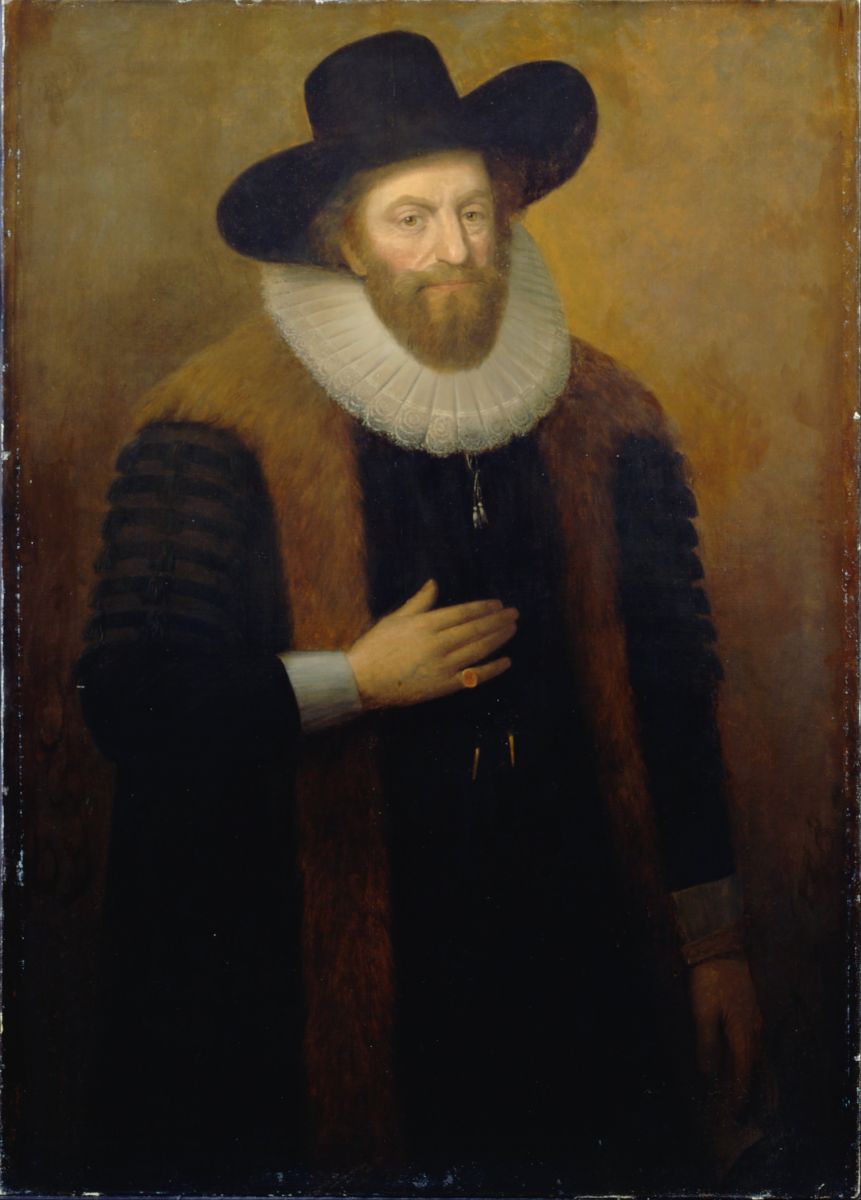 This November marks 400 years since the death of Edward Alleyn, the Elizabethan actor who founded Dulwich College in 1619. Until 15 December, the Archive's exhibition 'Alleyn 1626' shows what life was like in Dulwich in the year he died, from plague and drains to hailstones piled up in heaps.
Throughout the year the Dulwich College Archive runs a programme of exhibitions and events.
Life in Dulwich in 1626
If you think 2026 has been a difficult year, spare a thought for those living in London 400 years ago. The plague restrictions of 1625 were only just being lifted, and local court records from 1626 reveal a major community effort to clean up Dulwich Village, particularly its drains, in an attempt to improve public health.
Terrible weather hampered these efforts. In June 1626, a giant waterspout brought "extreame hayle, in such abundance that they layd it up in heapes...". The poor weather also led to failed harvests and the introduction of a national day of fasting, known as a "general fast". Matters were not helped by the troubled coronation year of Charles I, whose ceremony was reduced in scale because of financial difficulties and controversy surrounding the Catholic faith of his wife, Henrietta Maria. The College has a rich collection of material, including books, court rolls and manuscripts that educate students and the public alike.
Alleyn's archive
Peter Jolly, College Archivist, said: "Edward Alleyn left his archive to the College and its students. The theatre historian Professor Grace Ioppolo has suggested that the theatre papers represent the first consciously created theatre archive in Britain. As education remains central to the College's mission, enabling as many people as possible to engage with the collections is a key principle of the Archive's management."
Alleyn's tombstone
The story goes that Edward Alleyn's original tombstone was removed from Christ's Chapel and enjoyed an unusual second life at the Half Moon pub in Herne Hill. There, landlord John Webb and his father reportedly used it as a garden table and curiosity for visitors to admire in the pub's skittle alley.
In 1844, it was returned to the chapel, but by then it had been so badly damaged that its inscription was no longer legible. This has led to numerous errors regarding the actual date of Alleyn's death.
The Shackleton collection and public tours
The College is also home to the James Caird, the small boat in which former pupil Ernest Shackleton and five companions sailed from Elephant Island to South Georgia.
From January 2027, the Archive's attention will once again turn to its most popular visitor attraction: the James Caird and the collection of Shackleton-related artefacts displayed around the College. Pre-booked public tours are held every Friday during term time, but the school holidays provide additional opportunities to welcome visitors through an expanded programme of tours (it is worth noting that the College is closed over the Christmas holidays).
Shackleton's schooldays
The tours begin with Ernest Shackleton's schooldays after his arrival at the College at the age of thirteen. For a young boy who had moved from rural Ireland, the College must have seemed an intimidating place. The main College building had opened only a few years earlier, in 1870, and, remarkable as it may seem today, featured state-of-the-art heating and ventilation systems.
The voyage of the James Caird
Sledges, sails, flags and other artefacts help tell the story of Shackleton's extraordinary journey with his five companions aboard the James Caird from Elephant Island to South Georgia. Together, these objects bring to life one of the greatest survival stories in the history of polar exploration.
On display at the College is the same model of stove that Shackleton and his men used aboard the James Caird. Braced against the sides of the boat, two men would hold the stove between their feet while a third balanced a pan of water over the flame to make tea. When the men arrived in South Georgia, not only were their fingers and toes blistered by the cold, but many had also suffered burns from hot water sloshing from the pan onto their skin during the voyage.
School visits
The Archive also provides Shackleton visits for primary schools, with over 1,000 primary students from south London and beyond visiting last year. The tours are ever popular and attract visitors from around the world.
Visitor information
'Alleyn 1626' runs until 15 December 2026. Tours of the exhibition can be arranged through the Archive at archives@dulwich.org.uk.
Book public Shackleton tours at https://www.trybooking.com/uk/GXCN; dates are generally released six weeks in advance. Primary schools can book visits through archives@dulwich.org.uk.